
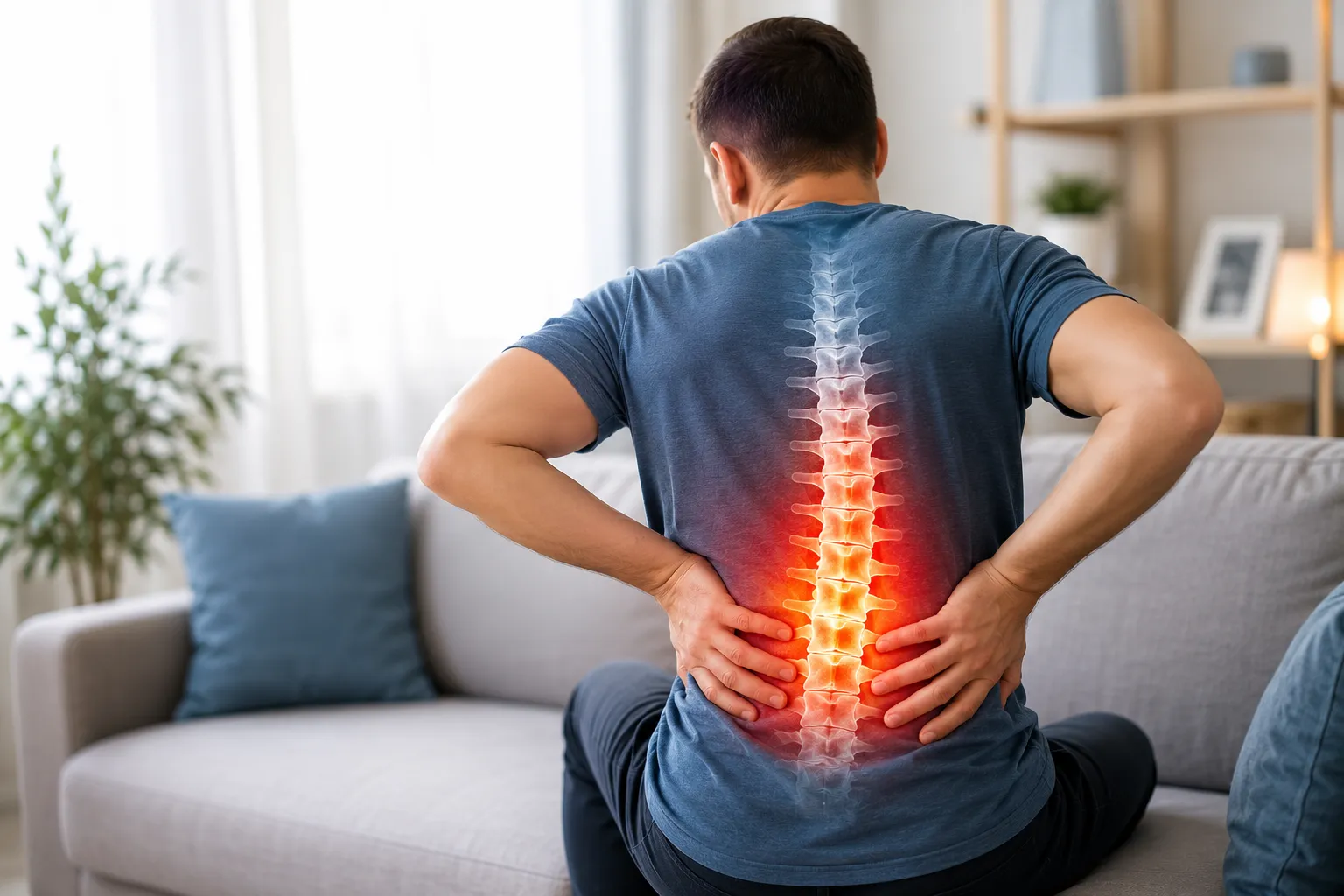
Back pain is one of the leading causes of disability worldwide and affects millions of people every year. Whether it develops due to prolonged sitting, poor posture, lifting heavy objects, sports injuries, or age-related conditions, back pain can significantly impact your ability to work, sleep, and enjoy daily life.
For some people, the discomfort lasts only a few days, while others experience persistent pain that affects mobility and independence. The good news is that many cases of back pain can be managed successfully with timely medical guidance, physiotherapy, exercise, lifestyle modifications, and home healthcare support. Receiving care at home allows patients to recover in a familiar environment while continuing their rehabilitation under professional supervision.
Did You Know?
- Nearly 8 out of 10 people experience back pain at least once during their lifetime.
- Lower back pain is the most common musculoskeletal complaint among working adults.
- Sitting continuously for more than 6–8 hours a day may increase the risk of developing chronic back pain.
- Regular exercise and maintaining good posture can significantly reduce the risk of recurrent back pain.
What Is Back Pain?
Back pain refers to pain, stiffness, or discomfort anywhere along the spine—from the neck (cervical spine) to the middle (thoracic spine) and lower back (lumbar spine). The lumbar (lower back) region is the most commonly affected because it supports much of the body's weight and is involved in everyday activities such as standing, walking, lifting, bending, and sitting.
Back pain can range from a mild ache that resolves within a few days to severe pain that limits movement and affects quality of life.
Types of Back Pain
Acute Back Pain
- Lasts less than 6 weeks
- Often caused by muscle strain or sudden injury
- Usually improves with rest, medication, and physiotherapy
Subacute Back Pain
- Lasts between 6 and 12 weeks
- May require medical evaluation and rehabilitation
- Often develops after an injury or untreated acute pain
Chronic Back Pain
- Persists for more than 12 weeks
- May be linked to arthritis, disc problems, osteoporosis, or spinal disorders
- Often requires long-term management and lifestyle changes
Common Causes of Back Pain
Poor Posture
Long hours of sitting with poor posture while working, driving, or using mobile phones place excessive stress on the spine and surrounding muscles.
Muscle or Ligament Strain
Improper lifting techniques, sudden twisting movements, or overuse during physical activity can strain the muscles and ligaments supporting the spine.
Herniated Disc
A damaged spinal disc may press on nearby nerves, leading to pain, numbness, tingling, or weakness in the legs.
Arthritis
Age-related degeneration of the joints can cause stiffness, reduced mobility, and chronic back pain.
Osteoporosis
Weak or fragile bones increase the risk of compression fractures, particularly in older adults.
Sciatica
Compression or irritation of the sciatic nerve can cause pain that radiates from the lower back down the buttock and leg.
Sedentary Lifestyle
Weak core muscles and prolonged sitting reduce spinal support and increase the likelihood of back pain.
Excess Body Weight
Carrying excess weight places additional pressure on the spine and joints, increasing the risk of chronic discomfort.
Injury or Accident
Falls, sports injuries, and road traffic accidents may damage muscles, ligaments, discs, or vertebrae.
Common Symptoms
Back pain can present in different ways depending on its cause. Common symptoms include:
- Persistent aching in the back
- Sharp or stabbing pain
- Muscle stiffness
- Difficulty standing upright
- Pain while bending or lifting
- Pain radiating to the hips or legs
- Numbness or tingling
- Reduced flexibility
- Muscle weakness
- Difficulty walking or performing routine activities
Who Is at Risk?
Back pain can affect anyone, but the risk is higher in people who:
- Sit for prolonged periods
- Frequently lift heavy objects
- Have poor posture
- Are overweight or obese
- Smoke
- Perform repetitive physical work
- Have weak core muscles
- Are older adults
- Experience high levels of stress
- Have a history of spinal injuries
When Should You See a Doctor?
Seek medical attention if your back pain:
- Persists for more than two to three weeks
- Becomes progressively worse
- Occurs after a fall or accident
- Is accompanied by fever or unexplained weight loss
- Causes numbness or weakness in the legs
- Makes walking difficult
- Is associated with loss of bladder or bowel control
- Interferes significantly with sleep or daily activities
These symptoms may indicate an underlying condition that requires prompt medical evaluation.
Diagnosis
To identify the cause of back pain, your healthcare provider may recommend:
- Physical examination
- Medical history review
- X-ray
- MRI Scan
- CT Scan
- Blood tests (when indicated)
- Nerve conduction studies in selected cases
Accurate diagnosis helps determine the most appropriate treatment plan.
Treatment Options for Back Pain
The treatment for back pain depends on its cause, severity, and duration. Most patients recover with conservative treatment, while some may require specialized medical care.
1. Medication
Your doctor may prescribe medications to relieve pain and inflammation, depending on your condition. Always take medicines exactly as directed and avoid self-medication.
2. Physiotherapy
Physiotherapy is one of the most effective treatments for both acute and chronic back pain. A physiotherapist develops a personalized rehabilitation plan to:
- Improve flexibility
- Strengthen core muscles
- Correct posture
- Reduce pain
- Restore mobility
- Prevent recurrence
Professional guidance ensures exercises are performed safely and effectively.
3. Hot and Cold Therapy
Applying a cold pack during the first 24–48 hours after an injury may help reduce swelling. Later, heat therapy can help relax tight muscles and improve blood circulation.
Use hot or cold packs only for short periods and follow your healthcare provider's recommendations.
4. Lifestyle Modifications
Simple daily habits can make a significant difference in managing back pain. These include:
- Maintaining a healthy weight
- Improving posture
- Taking regular movement breaks during long periods of sitting
- Sleeping on a supportive mattress
- Using proper lifting techniques
- Staying physically active
5. Medical Procedures
For patients with persistent or severe symptoms, a doctor may recommend additional treatments such as injections or surgery. These decisions are made after careful evaluation and are generally considered only when conservative treatments have not provided sufficient relief.
Exercises That May Help Reduce Back Pain
Exercise plays an important role in improving flexibility, strengthening muscles, and supporting recovery. Always consult a healthcare professional before beginning a new exercise program, especially if your pain is severe or long-lasting.
Pelvic Tilt
This gentle exercise strengthens the abdominal muscles and supports the lower back. How to perform:
- Lie on your back with knees bent.
- Tighten your abdominal muscles.
- Press your lower back gently toward the floor.
- Hold for five seconds.
- Repeat 10 times.
Knee-to-Chest Stretch
This exercise helps stretch the lower back muscles. How to perform:
- Lie on your back.
- Bring one knee toward your chest.
- Hold for 20–30 seconds.
- Repeat with the opposite leg.
- Perform 3–5 repetitions on each side.
Cat-Cow Stretch
A simple movement that improves spinal flexibility. How to perform:
- Begin on your hands and knees.
- Slowly arch your back upward.
- Then lower your abdomen while lifting your head.
- Repeat slowly for 10 repetitions.
Bridge Exercise
Strengthens the lower back, hips, and gluteal muscles. How to perform:
- Lie on your back with knees bent.
- Lift your hips toward the ceiling.
- Hold for five seconds.
- Lower slowly.
- Repeat 10–15 times.
Walking
Walking is one of the safest and most effective activities for many people recovering from back pain. Start with short distances and gradually increase your walking time as advised by your healthcare provider.
Prevention Tips
Preventing back pain is often easier than treating it. Healthy daily habits can significantly reduce the risk of future episodes.
Maintain Good Posture
Keep your shoulders relaxed and your spine aligned while sitting, standing, and walking.
Lift Objects Correctly
Bend your knees rather than your back and hold heavy objects close to your body while lifting.
Stay Active
Regular exercise strengthens muscles that support the spine and improves flexibility.
Maintain a Healthy Weight
Reducing excess body weight decreases pressure on the spine and joints.
Improve Your Workspace
If you work at a desk:
- Keep your monitor at eye level.
- Use a chair that supports your lower back.
- Keep both feet flat on the floor.
- Take short movement breaks every 30–60 minutes.
Sleep Comfortably
Choose a supportive mattress and pillow. Sleeping on your side with a pillow between your knees may help reduce pressure on the lower back for some individuals.
Quit Smoking
Smoking reduces blood flow to spinal tissues and may increase the risk of chronic back pain.
Myths vs Facts About Back Pain
| Myth | Fact |
|---|---|
| Complete bed rest is the best treatment. | Gentle movement and appropriate activity often support recovery better than prolonged bed rest. |
| Only older adults develop back pain. | Back pain can affect people of all ages. |
| Exercise always worsens back pain. | Doctor-approved exercises and physiotherapy often help improve symptoms. |
| Surgery is required for every severe back pain case. | Most patients improve with conservative treatment and rehabilitation. |
| Painkillers alone solve the problem. | Long-term recovery usually requires addressing the underlying cause through lifestyle changes, exercise, or rehabilitation. |
Recovery Timeline
| Condition | Typical Recovery Time* |
|---|---|
| Mild Muscle Strain | 1–2 Weeks |
| Moderate Muscle Injury | 3–6 Weeks |
| Acute Lower Back Pain | 4–8 Weeks |
| Sciatica | 6–12 Weeks |
| Post-Spinal Surgery | As advised by the treating surgeon |
*Recovery times vary and depend on diagnosis, treatment, and overall health.
Special Care for Elderly Patients
Older adults may experience back pain due to arthritis, osteoporosis, muscle weakness, or reduced mobility. Home care can help by:
- Reducing the risk of falls
- Assisting with safe mobility
- Encouraging prescribed exercises
- Supporting medication adherence
- Providing help with daily activities
- Promoting comfort and independence
Professional support can be especially valuable for seniors recovering from injury or surgery.
When Back Pain Becomes an Emergency
Seek immediate medical attention if back pain is associated with:
- Sudden loss of bladder or bowel control
- Severe weakness in one or both legs
- High fever with severe back pain
- Back pain following a serious accident
- Persistent numbness in the groin area
- Severe pain that does not improve with rest or prescribed treatment
These symptoms may indicate a serious underlying condition requiring urgent evaluation.
How Home Healthcare Can Support Back Pain Recovery
Recovering from back pain often requires more than just medication. A structured rehabilitation plan, professional guidance, and consistent support can help patients regain mobility, reduce discomfort, and return to their daily routine safely.
Home healthcare brings these services directly to the patient's home, eliminating the need for frequent hospital visits while ensuring personalized care in a familiar environment.
1. Home Physiotherapy
Physiotherapy is one of the most effective treatments for back pain. A licensed physiotherapist can help patients:
- Improve posture
- Increase flexibility
- Strengthen back and core muscles
- Reduce pain naturally
- Improve balance and mobility
- Prevent future episodes of back pain
- Regain confidence in daily activities
Each treatment plan is customized according to the patient's age, diagnosis, and recovery goals.
2. Home Nursing Care
Patients recovering from spinal surgery, injuries, or severe back pain may require professional nursing care. Home nurses can assist with:
- Vital signs monitoring
- Medication administration
- Injection and IV care (if prescribed)
- Wound and dressing care
- Pain management support
- Patient and caregiver education
- Coordination with the treating physician
3. Professional Caregiver Support
Patients with limited mobility or elderly individuals may benefit from trained caregivers who assist with daily living activities. Caregiver services may include:
- Personal hygiene assistance
- Bathing and grooming
- Walking assistance
- Safe transfers from bed to chair
- Meal support
- Medication reminders
- Companionship and emotional support
4. Medical Equipment Support
Some patients recovering from severe back pain or surgery may require supportive medical equipment. Depending on medical advice, commonly used equipment includes:
- Hospital Beds
- Recliner Chairs
- Wheelchairs
- Walkers
- Air/Tube Mattresses
- Patient Monitors (if clinically indicated)
- Oxygen Concentrators (for patients with associated respiratory conditions, when prescribed)
Proper equipment can improve comfort, support mobility, and reduce the risk of complications.
5. Home-Based Rehabilitation
A coordinated rehabilitation plan may include:
- Progressive exercise programs
- Mobility training
- Fall prevention strategies
- Functional independence training
- Family education on safe patient handling
The objective is to help patients safely return to their normal lifestyle while reducing the likelihood of recurring back pain.
Daily Tips for Managing Back Pain at Home
Simple daily habits can support recovery and help reduce discomfort.
- Take short walks throughout the day if your healthcare provider recommends it.
- Avoid sitting continuously for long periods.
- Maintain good posture while working or using electronic devices.
- Sleep on a supportive mattress and use appropriate pillows.
- Drink enough water to stay hydrated.
- Follow your physiotherapy and exercise routine consistently.
- Eat a balanced diet rich in calcium, protein, and vitamin D.
- Avoid lifting heavy objects without proper technique.
- Wear supportive footwear during daily activities.
- Attend all follow-up appointments with your healthcare provider.
Why Choose DM Care360?
At DM Care360, we believe quality healthcare should be accessible in the comfort of your home. Our multidisciplinary team works closely with patients and their families to support recovery, improve mobility, and enhance quality of life. Our home healthcare services:
- Home Nursing Care
- Elder Care Services
- Trained Caregivers (GDA)
- Physiotherapy at Home
- Post-Surgical Rehabilitation
- Home Respiratory Care
- Oxygen Therapy Support
- BiPAP & CPAP Assistance
- Medical Equipment Support
- Home Diagnostic Coordination
- Medicine Delivery Coordination
Our focus is on providing compassionate, patient-centered care tailored to individual needs.
Preventing Future Episodes of Back Pain
Long-term spine health depends on consistent healthy habits.
Maintain a Healthy Weight
Reducing excess body weight decreases stress on the spine and joints.
Exercise Regularly
Strengthening your core, back, and leg muscles supports better posture and spinal stability.
Practice Good Posture
Whether sitting, standing, or lifting objects, maintaining proper body mechanics can help prevent strain.
Eat a Balanced Diet
Adequate calcium, vitamin D, and protein support bone and muscle health.
Stay Active
Avoid prolonged inactivity. Regular movement helps maintain flexibility and reduces stiffness.
Schedule Regular Health Check-Ups
If you have recurring pain or underlying conditions, regular medical evaluations can help identify issues early.
Conclusion
Back pain is a common condition, but it should never be ignored—especially if it persists, worsens, or interferes with everyday activities. Early diagnosis, appropriate treatment, and healthy lifestyle habits can make a significant difference in recovery.
For many individuals, home healthcare offers a practical and supportive way to continue treatment after leaving the clinic or hospital. With professional physiotherapy, nursing care, caregiver assistance, and rehabilitation services, patients can recover safely while remaining in the comfort of their homes.
Every patient's journey is unique. Always consult a qualified healthcare professional for an accurate diagnosis and a treatment plan tailored to your specific condition.