
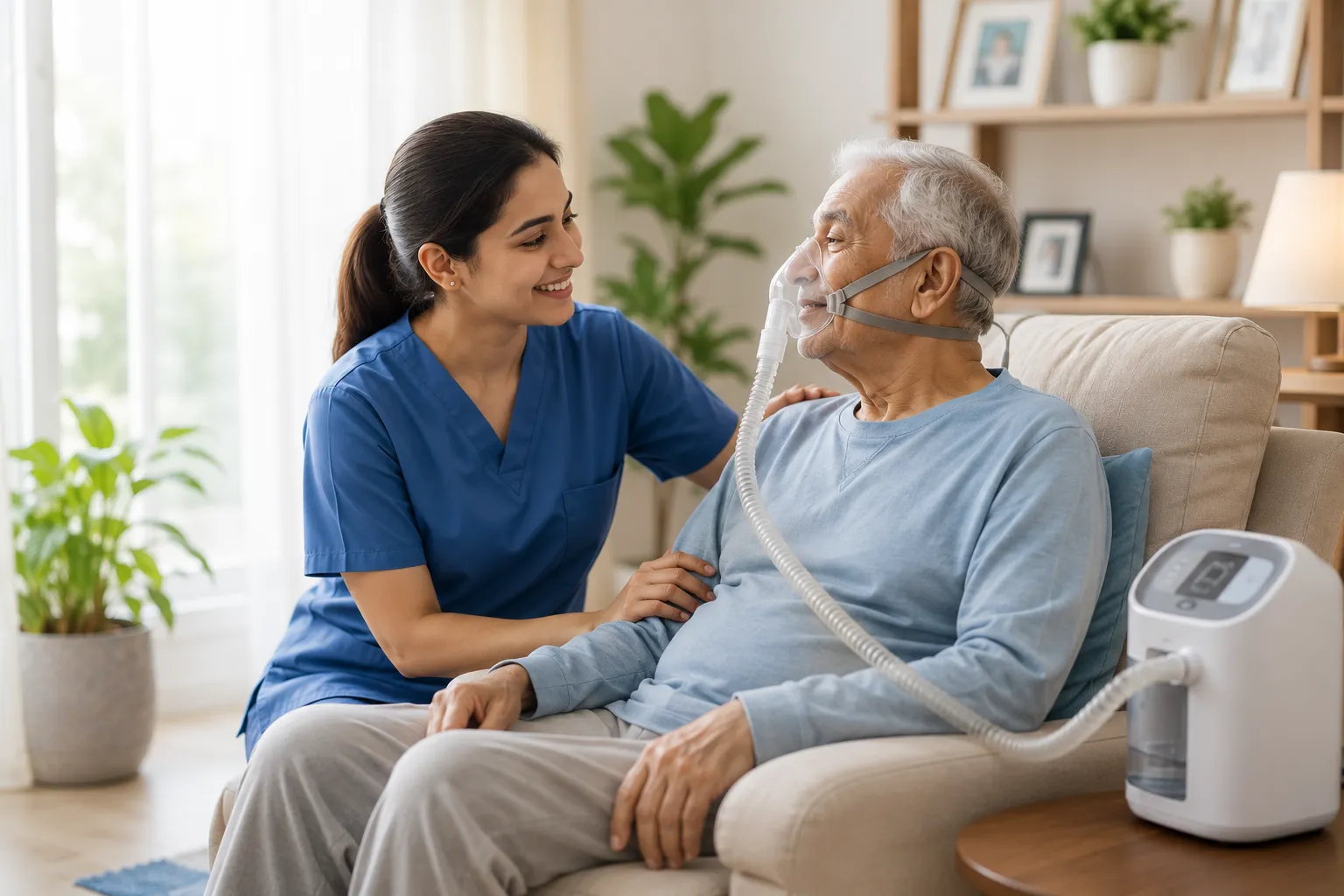
Breathing is something we often take for granted—until it becomes difficult. Millions of people live with respiratory conditions that require ongoing medical support, oxygen therapy, or specialized breathing equipment. Traditionally, these patients had to spend extended periods in hospitals. Today, advances in medical technology and home healthcare services allow many patients to receive safe, effective respiratory care in the comfort of their own homes.
Home respiratory care combines advanced medical equipment, trained healthcare professionals, and personalized care plans to improve quality of life while reducing unnecessary hospital visits.
What is Respiratory Care?
Respiratory care is a specialized healthcare service focused on improving lung function and helping patients breathe more comfortably. It includes assessment, oxygen therapy, breathing support devices, airway management, nebulization therapy, and continuous monitoring for patients with acute or chronic respiratory conditions. Depending on the patient's medical needs, respiratory care may involve:
- Oxygen Therapy
- BiPAP Therapy
- CPAP Therapy
- Nebulization
- Airway Suctioning
- Pulse Oximetry Monitoring
- Respiratory Physiotherapy
- Home ICU Respiratory Support
Why is Respiratory Care at Home Becoming More Popular?
Modern healthcare is shifting toward home-based treatment because patients often recover better in familiar surroundings while remaining close to their families. Some of the key reasons include:
- Reduced hospital admissions
- Lower treatment costs
- Greater patient comfort
- Lower risk of hospital-acquired infections
- Continuous monitoring without prolonged hospitalization
- Improved emotional well-being
For many patients, home respiratory care offers the perfect balance between medical supervision and the comfort of home.
Who Can Benefit from Home Respiratory Care?
Respiratory care at home may be recommended for patients suffering from:
- Chronic Obstructive Pulmonary Disease (COPD)
- Sleep Apnea
- Asthma
- Pulmonary Fibrosis
- Pneumonia Recovery
- Post-COVID Respiratory Complications
- Neuromuscular Disorders
- Lung Cancer
- Congestive Heart Failure with breathing difficulties
- Elderly patients requiring long-term oxygen support
Always consult your treating physician before starting any respiratory therapy.
Common Respiratory Conditions That May Require Home Care
| Condition | Common Home Care Support |
|---|---|
| COPD | Oxygen Therapy, BiPAP, Nebulization |
| Obstructive Sleep Apnea | CPAP Therapy |
| Asthma | Nebulizer Therapy, Medication Support |
| Pulmonary Fibrosis | Oxygen Therapy |
| Pneumonia Recovery | Oxygen Support, Nursing Care |
| Post-COVID Recovery | Respiratory Rehabilitation |
| Neuromuscular Disorders | BiPAP, Airway Support |
| Home ICU Patients | Ventilator Support, Nursing, Monitoring |
Benefits of Respiratory Care at Home
1. Comfortable Recovery
Patients recover in a familiar environment surrounded by loved ones, which often reduces stress and promotes overall well-being.
2. Reduced Hospital Visits
Regular monitoring and home-based treatment reduce unnecessary hospital admissions while maintaining continuity of care.
3. Personalized Treatment
Each patient receives an individualized care plan based on their medical condition, physician recommendations, and lifestyle needs.
4. Better Quality of Life
Receiving treatment at home allows patients to continue daily activities with greater independence while remaining under professional supervision.
5. Lower Risk of Infection
Hospitals naturally expose patients to various infections. Home care minimizes this risk, especially for elderly and immunocompromised individuals.
6. Family Participation
Family members remain actively involved in the patient's care, improving emotional support and treatment adherence.
7. Cost-Effective Healthcare
Home respiratory care often costs significantly less than extended hospital stays while delivering high-quality clinical support.
Respiratory Equipment Commonly Used at Home
| Equipment | Purpose |
|---|---|
| BiPAP Machine | Supports patients with breathing difficulties by providing two levels of airway pressure |
| CPAP Machine | Keeps airways open during sleep, commonly used for sleep apnea |
| Oxygen Concentrator | Delivers continuous oxygen therapy |
| Oxygen Cylinder | Backup or portable oxygen source |
| Nebulizer | Converts liquid medication into an inhalable mist |
| Suction Machine | Helps remove airway secretions when patients cannot clear them independently |
| Pulse Oximeter | Monitors blood oxygen saturation levels |
| Patient Monitor (when prescribed) | Tracks vital signs in critical care situations |
Warning Signs You Should Never Ignore
Seek medical advice immediately if you experience:
- Persistent shortness of breath
- Oxygen saturation consistently below the level advised by your doctor
- Chest pain
- Bluish lips or fingertips
- Confusion or unusual drowsiness
- Severe coughing with blood
- Rapid breathing or worsening breathlessness
- High fever associated with respiratory symptoms
Do not delay medical evaluation during respiratory emergencies.
How to Set Up Respiratory Care at Home
Effective home respiratory care typically includes:
- Doctor consultation and treatment plan
- Assessment of the patient's medical condition
- Selection of appropriate respiratory equipment
- Professional installation and demonstration of equipment
- Trained nursing or caregiver support, if required
- Regular monitoring and follow-up
- Emergency support and timely equipment maintenance
Why Choose DM Care360?
At DM Care360, we are committed to delivering compassionate, reliable, and professional home healthcare services. Our respiratory care solutions are designed to help patients receive hospital-quality support without leaving their homes. Our services include:
- Home Respiratory Care
- Oxygen Therapy
- BiPAP & CPAP Support
- Medical Equipment Assistance
- Home Nursing Services
- Physiotherapy at Home
- Caregiver Services
- Home ICU Support
- Diagnostic Coordination
- Medicine Delivery Coordination
Our goal is to make quality healthcare more accessible while improving patient comfort and recovery.
Conclusion
Respiratory illnesses often require long-term care, continuous monitoring, and specialized equipment. Home respiratory care enables patients to receive personalized treatment while remaining in a familiar and supportive environment.
Whether recovering from an illness, managing a chronic lung condition, or requiring advanced respiratory support, receiving professional care at home can improve comfort, reduce hospital visits, and enhance overall quality of life.
Always consult your healthcare provider to determine the most appropriate respiratory care plan for your individual medical needs.