
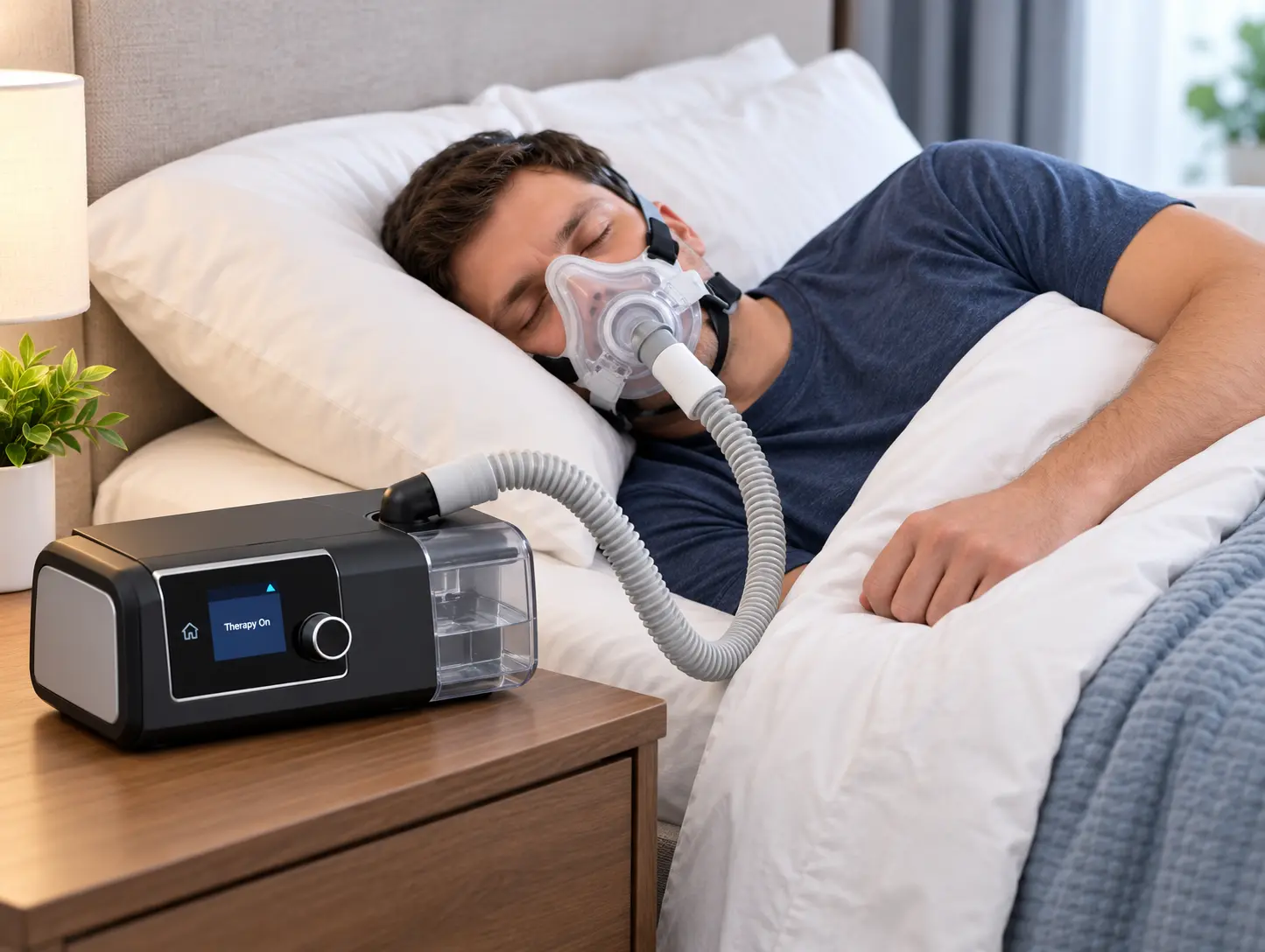
Sleep Apnea: A Complete Guide to Better Sleep and Better Health
A good night’s sleep is essential for physical health, mental well-being, and daily performance. However, millions of people experience poor-quality sleep without realizing that an underlying sleep disorder may be responsible. One of the most common sleep disorders is sleep apnea. Sleep apnea is a condition in which breathing repeatedly stops or becomes significantly reduced during sleep. These interruptions can occur many times throughout the night and may prevent the body and brain from getting adequate oxygen and restorative sleep. The condition can affect people of different ages and is often associated with loud snoring, daytime tiredness, morning headaches, difficulty concentrating, and restless sleep.
What Is Sleep Apnea?
Sleep apnea is a sleep-related breathing disorder characterized by repeated interruptions in normal breathing during sleep. When breathing stops or becomes restricted, oxygen levels in the blood can fall. The brain may briefly partially awaken the person to restore normal breathing. These awakenings are often so brief that the person does not remember them the next morning. As a result, someone may sleep for seven or eight hours but still wake up feeling tired. If left undiagnosed and unmanaged, sleep apnea can affect quality of life and may be associated with several long-term health problems.
Types of Sleep Apnea
There are three major types of sleep apnea:
1. Obstructive Sleep Apnea (OSA)
Obstructive sleep apnea is the most common type. It occurs when the muscles and tissues around the upper airway relax during sleep, causing the airway to become partially or completely blocked. Common symptoms include:
- Loud or frequent snoring
- Gasping or choking during sleep
- Pauses in breathing noticed by a partner
- Excessive daytime sleepiness
- Morning headaches
- Difficulty concentrating
- Dry mouth after waking
2. Central Sleep Apnea (CSA)
Central sleep apnea occurs when the brain does not consistently send the appropriate signals to the muscles responsible for breathing. Unlike obstructive sleep apnea, the main problem is not physical blockage of the airway. Central sleep apnea can be associated with certain medical conditions, medications, or other factors and should be evaluated by an appropriate healthcare professional.
3. Complex or Treatment-Emergent Sleep Apnea
Some individuals may develop central breathing events while being treated for obstructive sleep apnea. This is sometimes referred to as treatment-emergent or complex sleep apnea. A sleep specialist can determine the appropriate diagnosis and treatment based on the individual’s sleep study and clinical history
Common Symptoms of Sleep Apnea
Sleep apnea does not always present with obvious symptoms. Some people may be unaware that their breathing is repeatedly interrupted during sleep. Common warning signs include:
- Loud snoring
- Breathing pauses during sleep
- Gasping or choking at night
- Excessive daytime sleepiness
- Feeling tired despite getting enough hours of sleep
- Morning headaches
- Dry mouth or sore throat after waking
- Difficulty concentrating
- Irritability or mood changes
- Restless sleep
- Frequent nighttime urination
If several of these symptoms are present, particularly loud snoring combined with daytime sleepiness or observed breathing pauses, it may be worth discussing sleep evaluation with a healthcare professional.
What Causes Sleep Apnea?
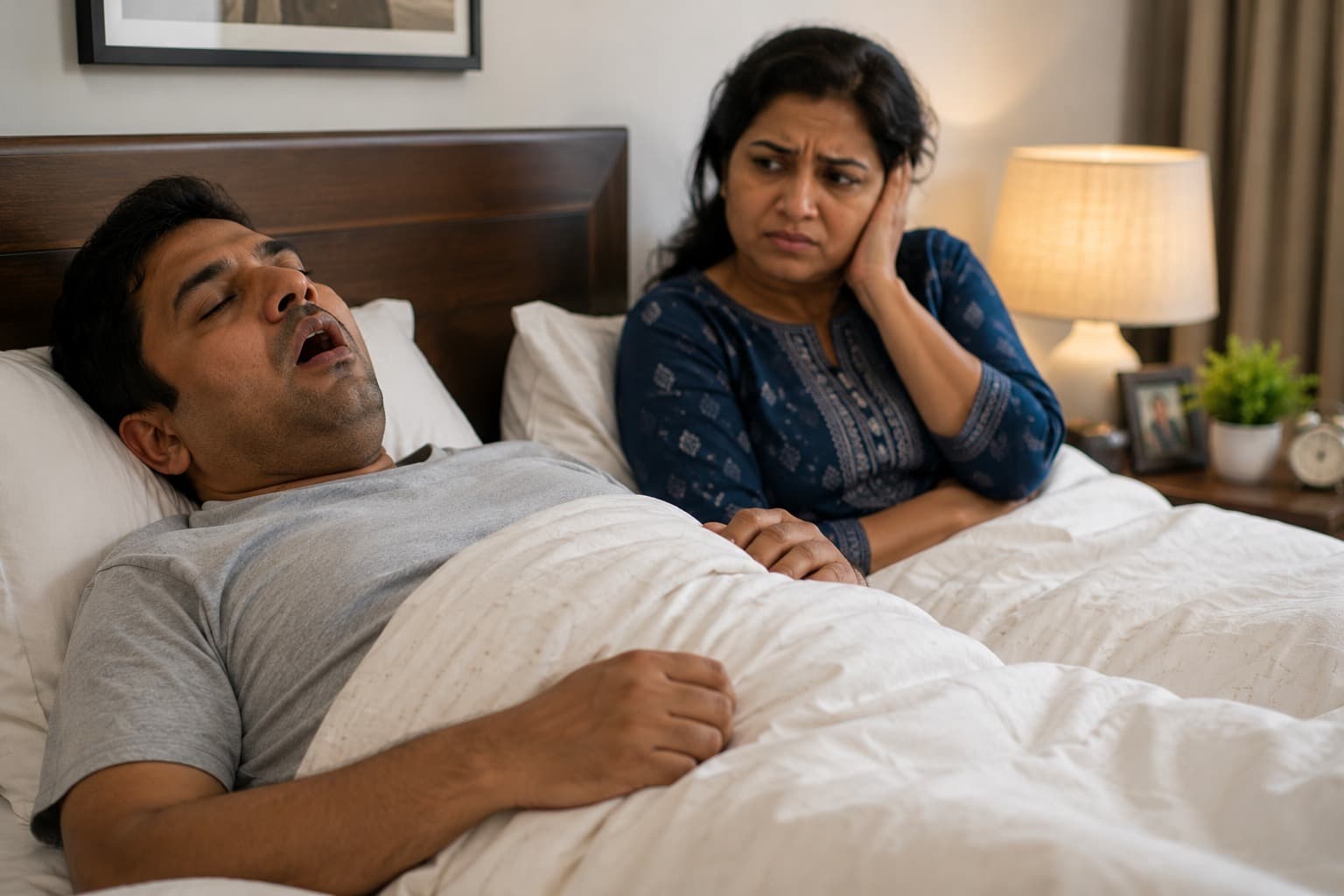
Several factors can increase the likelihood of developing sleep apnea. For obstructive sleep apnea, these may include:
- Excess body weight
- Narrow upper airway
- Enlarged tonsils or other anatomical factors
- Increasing age
- Family history
- Certain sleeping patterns
- Alcohol consumption
- Smoking
- Nasal congestion
However, sleep apnea is not limited to people who are overweight or older. It can occur in people with different body types and at different ages. This is why symptoms and appropriate evaluation are more important than assumptions based on appearance alone.